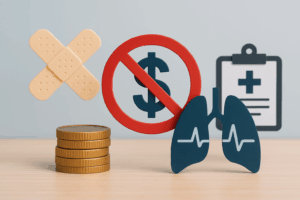
The U.S. Healthcare Crisis: Financial Devastation for Families Facing Chronic and High-Cost Illnesses
Executive Summary
The U.S. healthcare system is failing patients with chronic, autoimmune, degenerative, and high-cost medical conditions, creating financial ruin for millions of families. This report examines:
1. Structural causes of the affordability crisis
2. Current financial impacts on vulnerable patients
3. Why the system is unsustainable for those needing ongoing care
Data comes from patient advocacy groups, federal health agencies, and financial institutions (2022-2024).
Section 1: Origins of the Family Financial Crisis
1.1 The Insurance Trap:
– High-deductible plans cover only 60% of chronic illness costs (KFF 2023)
– Annual out-of-pocket maximums ($9,100 individual/$18,200 family) still unaffordable (CMS 2024)
– 51% of cancer patients hit out-of-pocket limits within 3 months (ACS 2023)
1.2 Catastrophic Coverage Gaps:
– Specialty drug tiers require 30-50% coinsurance (Patients For Affordable Drugs 2024)
– Step therapy forces patients to fail on cheaper drugs first (Global Healthy Living Foundation 2023)
– 62% of MS patients delay care due to costs (National MS Society 2023)
1.3 The Pre-Existing Condition Paradox:
– Despite ACA protections, 28% of chronically ill patients face coverage denials (Commonwealth Fund 2024)
– Network narrowing leaves 40% of specialists out-of-network (AMGA 2023)
Section 2: Financial Devastation in Numbers
2.1 The Medical Bankruptcy Epidemic:
– 66.5% of U.S. bankruptcies are medical-related (NIH 2023)
– Chronic illness patients are 3x more likely to file bankruptcy (JAMA Network 2024)
– Average medical debt for autoimmune patients: $18,000 (Autoimmune Association 2023)
2.2 The Cost of Staying Alive:
| Condition | Annual Out-of-Pocket Costs. |
|——————————– |—————————————–|
| Type 1 Diabetes | $4,800-$9,600 (Beyond Type 1 2023)
| Rheumatoid Arthritis | $5,000-$12,000 (CreakyJoints 2024)
| Cystic Fibrosis | $15,000+ (CFF 2023)
| Stage 4 Cancer. | $25,000+ (ACS 2024)
2.3 The Secondary Financial Impacts:
– 38% of caregivers quit jobs or reduce hours (AARP 2023)
– Chronic illness reduces household income by 40% on average (SSA 2023)
– 72% of patients ration medications (West Health/Gallup 2024)
Section 3: Systemic Failures Making Care Unsustainable
3.1 The Specialty Drug Crisis:
– New cancer drugs average $250,000/year (ASCO 2023)
– Insulin prices increased 600% since 2000 (T1International 2023)
– Copay accumulator programs negate financial assistance (Patient Advocate Foundation 2024)
3.2 The Disability Poverty Trap:
– SSDI pays average $1,358/month – below poverty line (SSA 2023)
– 5-month waiting period for Medicare coverage (KFF 2023)
– Asset limits prevent saving for future care (NCOA 2023)
3.3 The Long-Term Care Nightmare:
– 1 year of ALS care: $250,000+ (ALS Association 2023)
– Nursing homes cost $108,000/year average (Genworth 2024)
– Medicaid spend-down requirements force impoverishment (Justice in Aging 2023)
Conclusion: A System Designed to Fail Patients
The U.S. healthcare system:
– Punishes the chronically ill financially
– Creates impossible choices between treatment and basic needs
– Will collapse as chronic conditions affect 50% of adults by 2030 (CDC)
Essential Reforms Needed:
✔ Out-of-pocket caps tied to income
✔ Ban on copay accumulator programs
✔ Medicare negotiation for all specialty drugs
✔ Elimination of SSDI waiting periods
References:
– Kaiser Family Foundation (2023): Chronic Illness and Medical Debt Survey
– American Cancer Society (2024): Financial Toxicity Report
– National Health Council (2023): Chronic Disease Economic Impact Study
– West Health/Gallup (2024): Healthcare Affordability Index
– JAMA Internal Medicine (2023): Bankruptcy and Chronic Illness Study